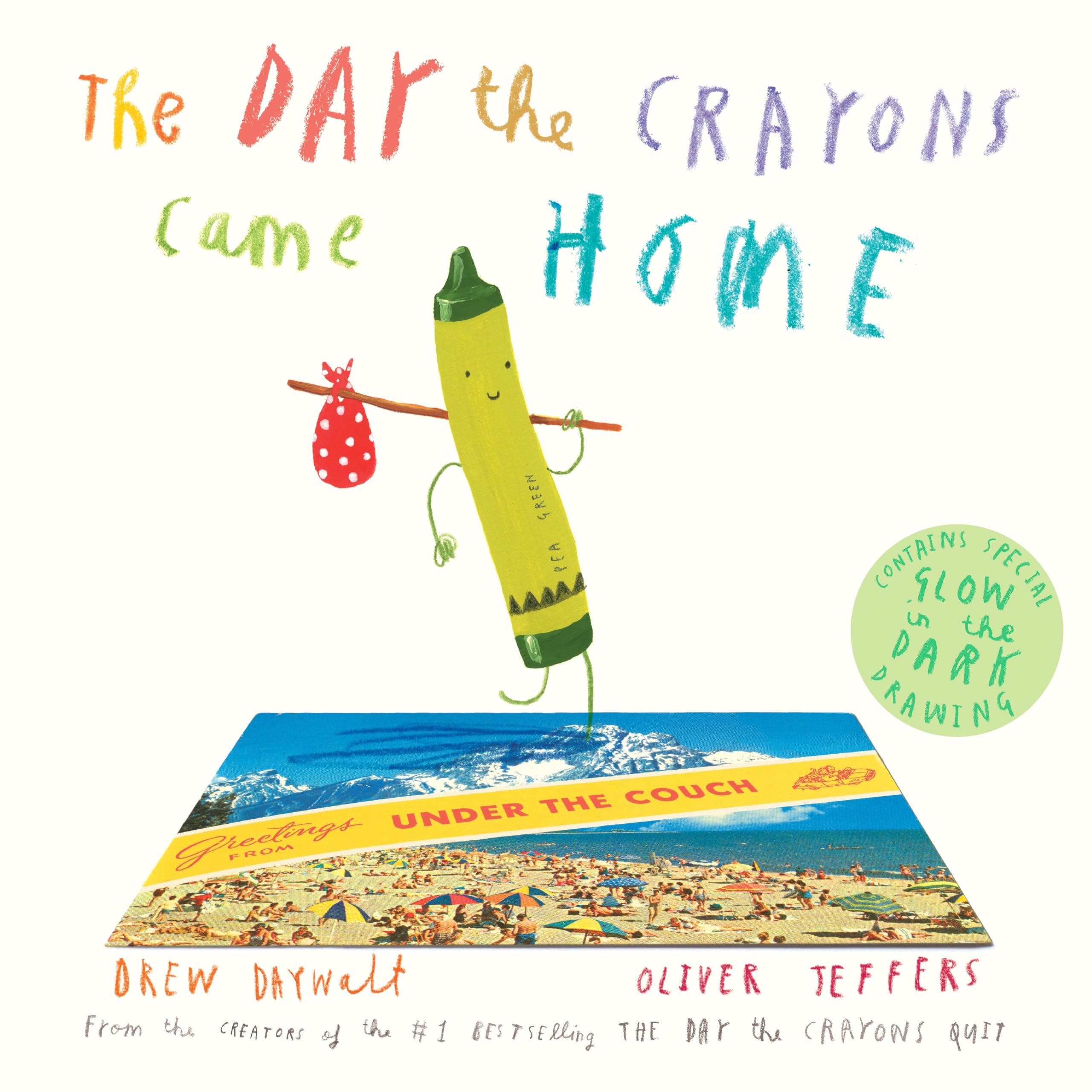
Best Picture Books for Ages 5–8
By now your kid can spot a fake plot twist and ask real questions about the pictures, so the story has to earn its pages. These hold up: a rhyme that sticks in your head at the grocery store, a character who talks your kid into turning the last page themselves.

The pages have actual holes to poke a finger through. The Very Hungry Caterpillar by Eric Carle turns counting and eating into something small hands can touch.

That lullaby comes back every time, even when the kid grows up. Love You Forever by Robert Munsch gets parents choked up more than the kids.

Reach for Oh, the Places You'll Go! by Dr. Seuss on the night before a big first day, when your kid needs a pep talk in verse.

Max's wolf suit and bedtime fury become a rumpus that doesn't erase the home waiting—Where the Wild Things Are by Maurice Sendak holds rage and longing in the same breath.

Each animal that hops on the broom adds a bounce to the rhyme. Room on the Broom by Julia Donaldson builds and builds until the broom snaps.

Good for the kid who's heard enough about being smart or fast. The Wonderful Things You Will Be by Emily Winfield Martin just says it loves them, full stop.

A tiny mouse outsmarts everyone by inventing his own monster. The Gruffalo by Julia Donaldson is the rare scary story where being small wins.

Grover pleads with your kid directly not to turn the page. The Monster at the End of this Book by Jon Stone turns page-turning into the whole game.

Skip Green Eggs and Ham by Dr. Seuss if your picky eater takes plot suggestions literally. Otherwise it's the tongue-twisting favorite everyone quotes for years.

I Am Enough by Grace Byers skips the plot entirely and just says the thing out loud: you are enough, full stop.

Peter's snowsuit adventure unfolds in white and blue, The Snowy Day by Ezra Jack Keats capturing the hush and thrill of fresh snow through collage as much as through words.

Every page piles on another ridiculous rhyme until the donkey has about ten names. The Wonky Donkey by Craig Smith is loud, dumb fun on purpose.

Reach for Rosie Revere, Engineer by Andrea Beaty when a child hides what they've made or fears they aren't good enough—Aunt Rose's visit teaches that trying and failing are where real engineering lives.

The interactive traps and rhyming instructions turn reading into collaborative problem-solving, and How to Catch a Unicorn by Adam Wallace invites kids to imagine their own impossible captures.
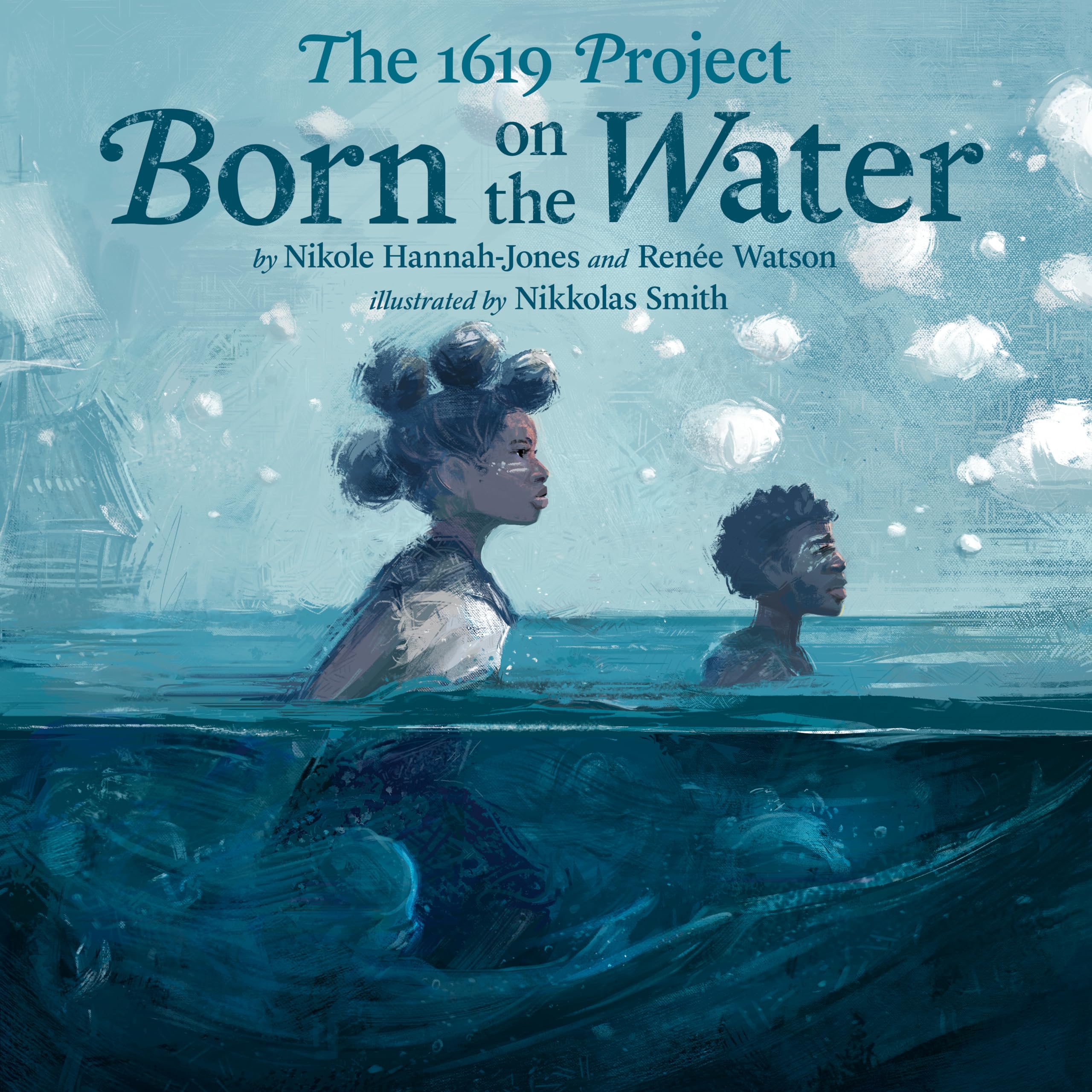
A school family-tree assignment cracks open into four hundred years of history nobody handed her before. The 1619 Project: Born on the Water by Nikole Hannah-Jones and Renée Watson doesn't soften where that history starts.