Best Books for 7-Year-Olds
Seven-year-olds want a real story now, something with a plot they can retell at dinner, but they still love a rhyme that gets stuck in your head for a week. This mix covers both, plus enough facts about space and unicorns to answer whatever they ask next.
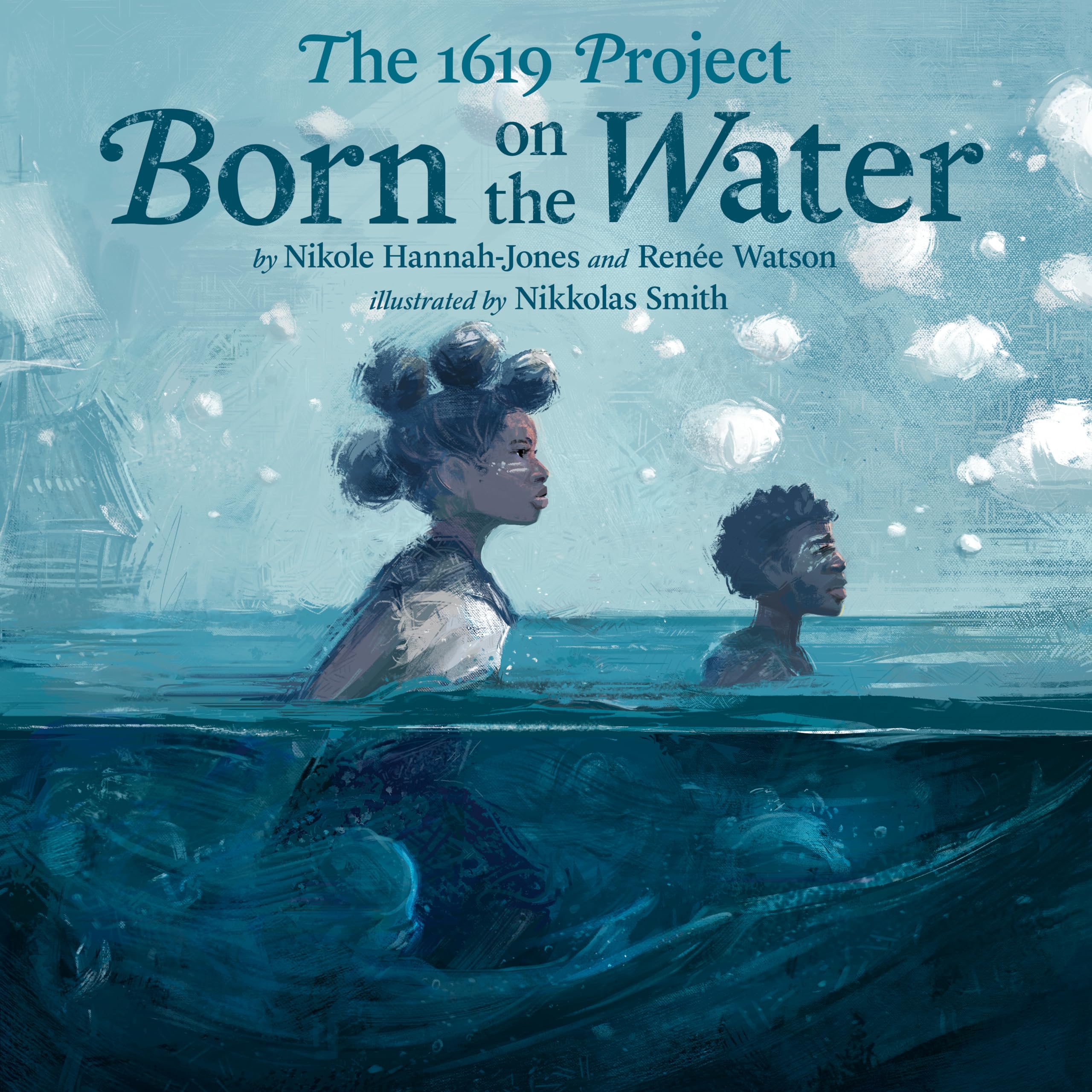
A school family-tree assignment cracks open 400 years of history. The 1619 Project: Born on the Water by Nikole Hannah-Jones and Renée Watson gives that hard history weight without losing a 7-year-old.

For the kid who worries about starting something new, Oh, the Places You'll Go! by Dr. Seuss turns every wobble into a rhyme worth pushing through.

The Lorax by Dr. Seuss makes caring about trees feel urgent, then hands your kid the one seed that fixes it.

Rhyming traps and rainbow chaos make How to Catch a Unicorn by Adam Wallace the pick for a kid who wants magic with a plan.

Short enough for a bedtime that's already running late, I Am Enough by Grace Byers still lands its message before the lights go out.

The same rocking, singing refrain follows that baby all the way into adulthood. Love You Forever by Robert Munsch earns its tears honestly.

Real facts about planets and astronauts, but There's No Place Like Space: All About Our Solar System by Tish Rabe makes it bounce along in rhyme instead of feeling like homework.

A kid who's embarrassed by every failed project needs Rosie Revere, Engineer by Andrea Beaty to say the first flop isn't the end.

Where the Wild Things Are by Maurice Sendak lets a furious kid become king of the monsters instead of just getting sent to bed.

Each new animal gets a spot on the broom, until it's too crowded to fly. Room on the Broom by Julia Donaldson builds and builds.

Sweet, but skip The Wonderful Things You Will Be by Emily Winfield Martin if your kid wants jokes tonight, not a quiet look at who they'll grow into.

A tiny mouse outsmarts three hungry animals by inventing a monster, then meets the real thing in The Gruffalo by Julia Donaldson.

Grover pleads with your kid not to turn the page. The Monster at the End of this Book by Jon Stone makes flipping pages feel like breaking a rule.

Each crayon writes its own furious complaint letter, and somehow that's the funniest thing on the shelf. The Day the Crayons Quit by Drew Daywalt nails kid logic.
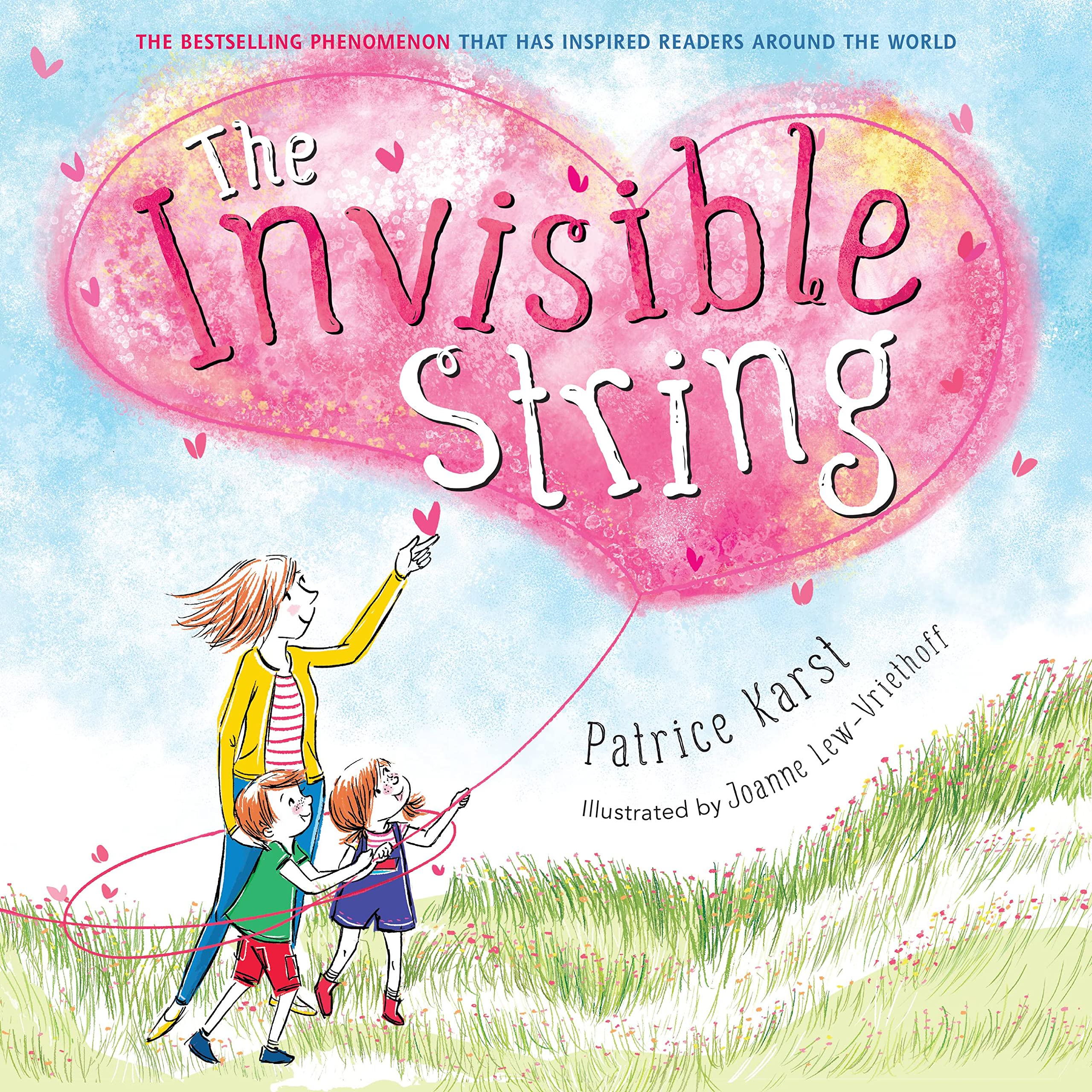
When a kid is scared of being apart from you, The Invisible String by Patrice Karst explains the string that connects you no matter the distance.